
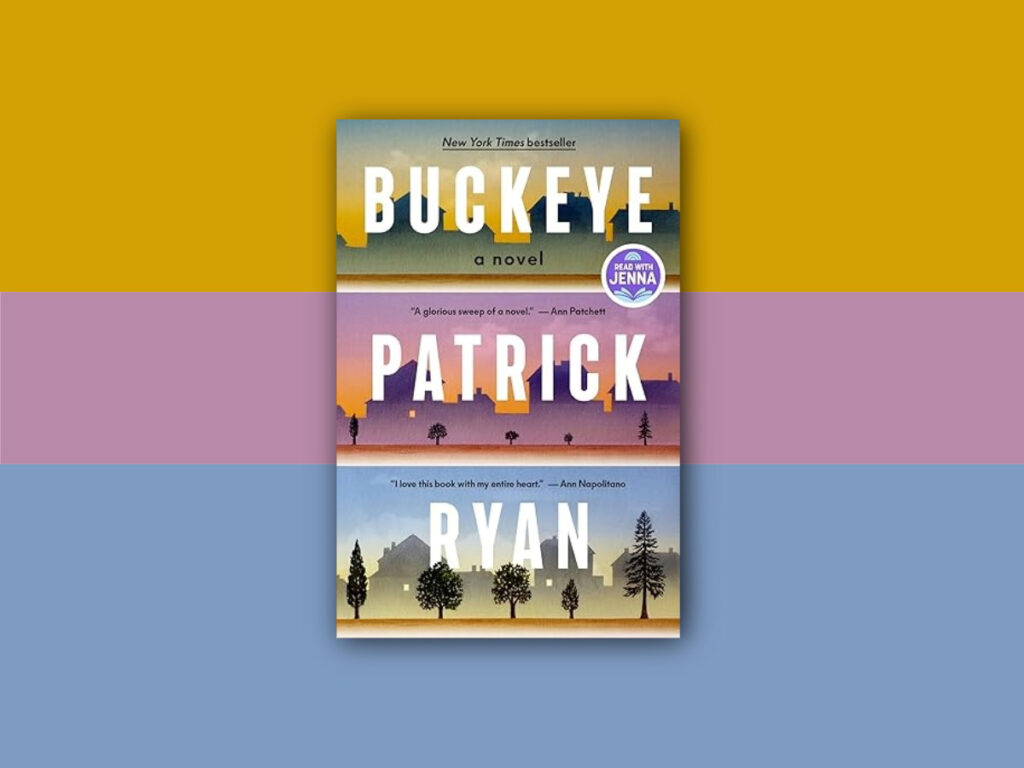
Be prepared to discuss the charming, vividly setting novel that weaves together the lives of two families in one Ohio town across generations. Buckeye offers a wide range of themes which will give your book club a great number of things to converse about and consider. These themes include; the impact of war on soldiers’ families, their communities, and society writ large, tension between conformity and individualism, and the impact of secrets on marriage and family.
Get ready for a robust discussion using these 10 Buckeye book club questions. The discussion guide also features a book synopsis, and some carefully selected reviews from some avid readers which can add to your discussion. And if you want more like Buckeye, there are some related book suggestions at the bottom of this article.
(This article contains affiliate links. This means that if you choose to purchase, I’ll make a small commission.)
Buckeye Synopsis
(I always choose to provide the publisher synopsis because I feel that it’s worthwhile to discuss whether the official book description actually squared with your experience of the book.)
Buckeye, Patrick Ryan
In Bonhomie, Ohio, a stolen moment of passion, sparked in the exuberant aftermath of the Allied victory in Europe, binds Cal Jenkins, a man wounded not in war but by his inability to serve in it, to Margaret Salt, a woman trying to obscure her past. Cal’s wife, Becky, has a spiritual gift: She is a seer who can conjure the dead, helping families connect with those they’ve lost. Margaret’s husband, Felix, is serving on a Navy cargo ship, out of harm’s way—until a telegram suggests that the unthinkable might have happened.
Later, as the country reconstructs in the postwar boom, a secret grows in Bonhomie—but nothing stays buried forever in a small town. Against the backdrop of some of the most transformative decades in modern America, the consequences of that long-ago encounter ripple through the next generation of both families, compelling them to reexamine who they thought they were and what the future might hold.
Sweeping yet intimate, rich with piercing observation and the warmth that comes from profound understanding of the human spirit, Buckeye captures the universal longing for love and for goodness.
10 Book Club Questions for Buckeye
These questions have been tailored to this book’s specific reading experience, but if you want more ideas, I also have an article with 101 generic book club questions.
- What were your overall impressions of the book’s depictions of marriage and family? Did the author’s arguments about the complexities of marriage ring true for you? Why or why not?
- Discuss the novel’s portrayal of the long-lasting effects of secrets. In particular, pay attention to Felix’s choice to keep the secret of Tom’s parentage for so long. Did you agree or disagree with his rationale? Why?
- In the novel, Margaret makes the choice to leave her family. What do you think motivates her to do so, and how did her decision resonate with you?
- Discuss the significance of Becky’s ability to speak to the dead. What purpose does this ability serve in the novel? How does it contribute to the themes of the novel?
- “Bonhomie had been founded in a northwest pocket of Ohio in 1857 by a small group of merchants and their families, on land transformed by the last Ice Age, when a glacier nudged its way down from Canada and melted, creating not only Niagara Falls and the great lakes, but also a vast swamp across the top of Ohio and Indiana that took thirty years to drain and left behind soil densely ripe for farming.”
What is the role of the setting in the novel? What does Bonhomie represent, and how does it contribute to both the narrative arc and key themes of the novel?
- Felix keeps his sexuality a secret to protect his marriage and reputation. Is it better to keep secrets to avoid hurt, or is honesty always worth the risk, even if it breaks families apart?
- Which of the characters from the novel did you find the most relatable, and why?
- “On Taft Street, Becky was as relieved as anyone that the war was over, but troubled. Her heart swelled, thinking of all the people who’d be returning to their families, and it deflated when she’d thought of all the people who died fighting, and all of the grief that would flow out of those deaths for decades.”
Everett hides his pain after the war, while others expect men to stay silent about their struggles. Should families push loved ones to open up, or respect their silence when dealing with trauma?
- Becky’s séances make her stand out in her small town. Is it better to embrace what makes you different (like Becky), or to try to fit in (like Cal)? Which approach do you find more admirable?
- War shapes many characters in the book, from Cal to Skip and Everett. Do you think their struggles excuse their mistakes, or should everyone be responsible no matter what they’ve gone through? How does this compare to how society treats veterans today?
Selected Reviews for Buckeye
“This is an emotionally poignant and beautifully written novel that follows two families through four decades living in the fictional small town of Bonhomie, Ohio. Set against the backdrop of both World War ll and the Vietnam war. Secrets don’t stay private in a small town.. and there is a big one here. Great characters that I will certainly continue to think about. I really enjoyed this one!”
“Trivial trash. Not even 1 star. Despite putting between major wars in period, the story was nothing new in many respects and the characters basically despicable and oftentimes seemed downright stupid. Horrible dialogue, travelogue style descriptions that were less than wonderful, and other than a very brief anti war screed at the end, highly unmoving and not worth the time to read…”
“While beautiful in parts, the pacing was off for me. There were moments I eagerly wanted to know what happened but then others that felt like they were dragging on. I love that this novel explored generations and how our actions have consequences though I deeply disliked most of the characters or at least the female ones. I also loved that this took place post WWII and talked about Vietnam. I think that time period is often overlooked in books. So overall, a nice story. Beautifully written. Just not a favorite.”
“Middle of the road 2.5, which is not a surprise as someone who usually struggles with slice-of-life books. If I am going to enjoy one, the author needs to get me involved with the characters and I need to feel their feelings along with them. Which didn’t happen here. I still liked the writing and general plot, it just could have been so much more.”
What to Read Next
Buckeye was a pick for Jenna’s book club. We’ve got a guide for all of the Jenna picks. But the following picks share some of Buckeye’s themes and timeframe. Each link will take you to a book guide that has a non-spoiler synopsis toward the top and a link to Amazon for reviews and pricing.
- All the Colors of the Dark: Small town vibes and the long shadow of keeping secrets.
- The Many Daughters of Afong Moy: Generational trauma.
- Cursed Daughters: More generational trauma, a curse and too many family secrets.
- The Four Winds: Post war, small town hard choices.
And if you’re keen on more small town life and complicated relationships…here you go:

Jayber Crow, Wendell Berry
Similar to the novel, Buckeye, this story has an excellent portrayal of small town life. The novel examines love, loss, and belonging, particularly through Jayber’s unrequited love and his journey as an orphan who wants to find a sense of home.
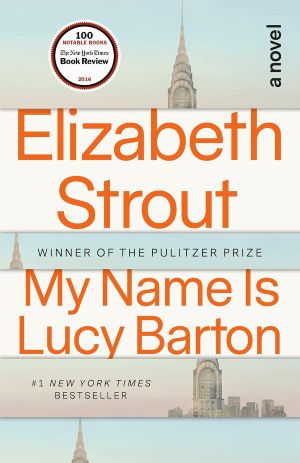
My Name is Lucy Barton, Elizabeth Strout
Like the novel, Buckeye, this book focuses on complicated family relationships and their hidden secrets. The novel explores how poverty and trauma from childhood can shape one’s adult life and relationships, and how people cope with the inability to fully communicate with loved ones.

A Promise to Arlette, Serena Burdick
Similar to the story, Buckeye, duty, love, and loyalty motivates these complex characters in this book. The story explores the complexities of family, both the one you’re born into and the one you create, and how trauma and memory can resurface.
More Historical Fiction Guides
Land Book Club Questions and Discussion Guide

The Calamity Club Book Club Questions and Discussion Guide

The Full Read With Jenna Book List (Rated!)