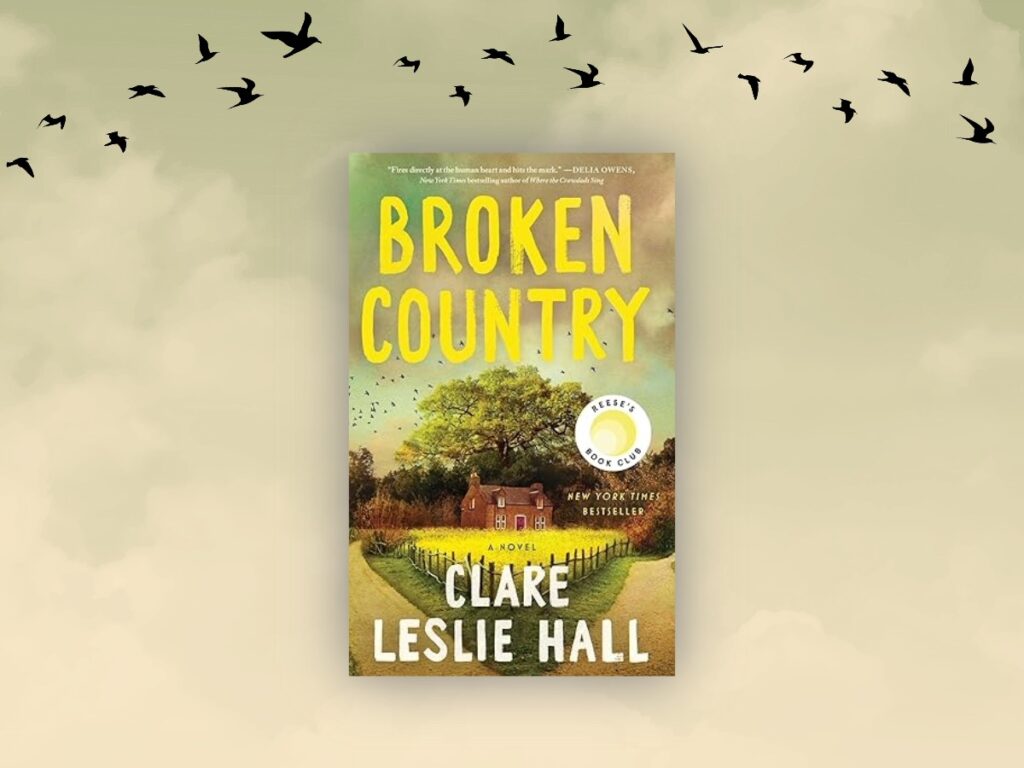
Broken Country is a grief-stricken love story about how a loss so immense can have an avalanche effect on somebody’s life. Reading Broken Country for your book club will give your group a great number of topics to discuss. It’s an engrossing novel that explores themes of the complexities of love and loss, secrets and deception, and the enduring power of the past.
Be ready for a thought-provoking discussion using these Broken Country book club questions. This guide also features a book synopsis, and some selected reviews from previous readers. Also, at the very end of this guide are some book suggestions of books with similar themes to Broken Country.
(This article contains affiliate links. This means that if you choose to purchase, I’ll make a small commission.)
Broken Country Synopsis
(I always choose to provide the publisher synopsis because I feel that it’s worthwhile to discuss whether the official book description actually squared with your experience of the book.)
Broken Country, Clare Leslie Hall
“The farmer is dead. He is dead, and all anyone wants to know is who killed him.”
Beth and her gentle, kind husband Frank are happily married, but their relationship relies on the past staying buried. But when Beth’s brother-in-law shoots a dog going after their sheep, Beth doesn’t realize that the gunshot will alter the course of their lives. For the dog belonged to none other than Gabriel Wolfe, the man Beth loved as a teenager—the man who broke her heart years ago. Gabriel has returned to the village with his young son Leo, a boy who reminds Beth very much of her own son, who died in a tragic accident.
As Beth is pulled back into Gabriel’s life, tensions around the village rise and dangerous secrets and jealousies from the past resurface, this time with deadly consequences. Beth is forced to make a choice between the woman she once was, and the woman she has become.
A sweeping love story with the pace and twists of a thriller, Broken Country is a novel of simmering passion, impossible choices, and explosive consequences that toggles between the past and present to explore the far-reaching legacy of first love.
10 Book Club Questions for Broken Country
These questions have been tailored to this book’s specific reading experience, but if you want more ideas, I also have an article with 101 generic book club questions.
- “I watch Bobby watching Gabriel. My son will never know this man, who once meant so much to me. It’s unlikely he will ever see him again. He certainly won’t think of him. Or remember the day we hid behind a tree and played spies. It’s a moment, that’s all, when we are suspended in time.”
Many of the characters from the story struggle with events from their past that continue to affect them in the future. Do you think people can ever fully move on from their pasts, or does the past always shape our future? - The story shows how misunderstandings and secrecy lead to cycles of betrayal in relationships. For example, Beth and Gabriel’s love story is filled with missed opportunities, secrets, and betrayal. Is it fair to still root for them, or did their choices cause too much pain to the people around them?
- Animals appear throughout the novel as both literal characters and symbolic figures. What purpose do they serve in developing the book’s themes?
- Tessa and other people in the village judge Beth harshly because of her social class. Is it possible to truly overcome old class divisions, or do you think those divisions always affect relationships?
- The symbolism of the oak tree represents both life-affirming performance and devastating loss throughout the novel. Do you have any place or an object in your life that holds contradictory meaning?
- Which relationship in Broken Country affected you the most, and what specific interaction made it the most compelling?
- Beth makes choices that hurt both Frank and Gabriel while also dealing with her own pain and past. Do you feel any sympathy for her, or do you think she’s too selfish?
- Secrets shape every major relationship in the story, from Bobby’s paternity to Jimmy’s death. How do these deceptions contribute to the story’s complexity?
- “Domesticity was something I’d never expected to find satisfying. My mother always hated cooking and cleaning when we were growing up, and was fortunate to marry a man who loved her enough to do it instead. What I have discovered is that the transformation of the farmhouse and the men within it has been more rewarding than I would ever have imagined. I thought I was predestined for a life of books: first university, then, with any luck, a career as a poet.”
In the story, Beth finds unexpected fulfillment in farm life despite her initial academic aspirations. Have you ever discovered satisfaction in an unexpected life path that you hadn’t originally envisioned for yourself?
- The author portrays grief as a transformative force in Broken Country. How do different characters process loss? Is it different from how you process it?
Selected Reviews for Broken Country
Use these selected Goodreads reviews to compare with your own experience of the book. Do you agree or disagree with the reviews?
“An absolute banger of a book. Claire Leslie Hall moves between 1968 and the late 1950s in the Dorset countryside, tracing the love story between Beth and Gabriel, a farmer’s daughter and a young Martin Amis-esque novelist just before his career takes off. But it is also a riveting mystery about a farmer’s death, and suddenly Beth’s husband is on trial for murder and Gabriel seems to know a lot more than he’s letting on. I was hypnotized by this one, utterly under its spell.”
“A study in how not to write female characters. The author spends 300 pages trying to garner sympathy for a character that is wholly narcissistic and destroys the lives of others, even adding a flimsy “twist” meant to endear that only proves every negative consequence is a direct result of actions the protagonist refuses to take responsibility for. If you have even the tiniest bit of common sense this pathetic try at a “love” story will make your blood boil.”
“3.5 Broken Country had the potential to be a really great novel. The bones were there but it seemed like I was just reading the Cliff’s Notes version. The book centers around Beth and how her past relationship with Gabriel affects her current marriage to Frank, culminating into a tragic act of violence. The chapters alternate between the past, up to the incident, and then the after effects of that tragic event. This is a relatively short novel and I think it would have stood to be longer…”
“This storyline is incredibly moving and has a poetic, mysterious quality to it. I’m currently torn between giving it 4 or 5 stars, but I will round it down for now because I’m not a big fan of some of the themes explored. However, the writing is beautiful, and you will definitely feel a range of emotions while reading it. I highly recommend adding this to your TBR. This book is destined to become a classic.”
What to Read Next
Broken Country was a Reese’s Book Club pick. If you like her choices, we have quite a few other guides for Reese’s picks, including: The House of Eve (similar time frame), Yellowface (lots of lying), Tom Lake (farm setting) and Isola (historical fiction). Each of those guides includes a non-spoiler synopsis toward the top of the page.
Here are a few other ideas:
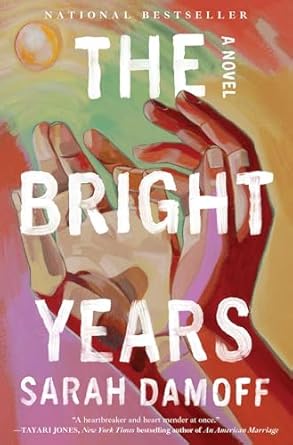
The Bright Years, Sarah Damoff
A multi-generational family saga that stretches through four generations in Texas. The Bright Years involves a secret son, addiction, and surprises of inheritances.
A story about generational trauma and healing, and the ongoing process of forgiving.
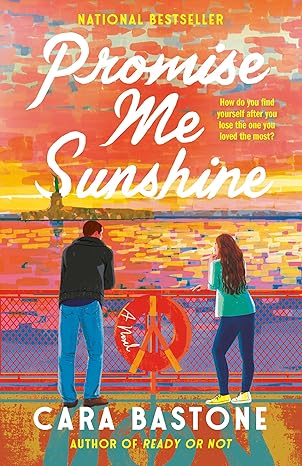
Promise Me Sunshine, Cara Bastone
Promise Me Sunshine centers on the story of Lenny Bellamy as she copes with the death of her best friend. A story about grief and loss, the importance of seeking and accepting help, and finding new beginnings through unexpected relationships and love in its many forms.
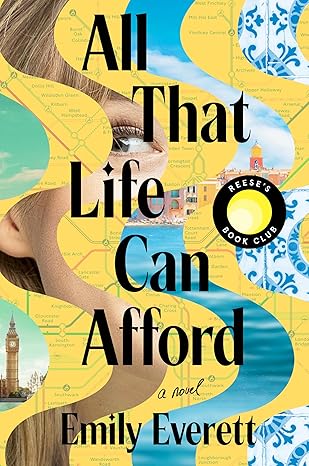
All That Life Can Afford, Emily Everett
All That Life Can Afford is a coming-of-age novel following the life of the protagonist and first-person narrator, Anna Byrne, as she attempts to reinvent herself after her mother’s death. A story about social classes and privilege, authenticity versus self-reinvention, and the struggle for belonging.
Recent Fiction Guides
Whistler Book Club Questions and Discussion Guide

Land Book Club Questions and Discussion Guide
The Calamity Club Book Club Questions and Discussion Guide
John of John Book Club Questions & Discussion Guide